
Wilms Tumor
Early detection and specialized care can significantly improve outcomes for children affected by Wilms tumor. Learn about the symptoms, diagnosis, and treatment options available.
Understanding This Childhood Kidney Cancer
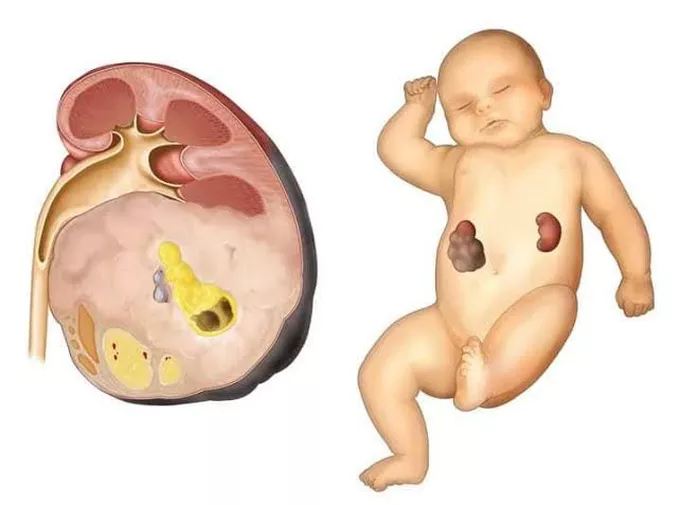
Wilms tumor is a rare form of kidney cancer that primarily affects children, most commonly under the age of five. It develops when immature kidney cells grow abnormally and form a tumor in one or both kidneys. Although the condition can sound alarming, advancements in pediatric oncology have made Wilms tumor one of the most treatable childhood cancers when detected early.
Many children respond very well to treatment, especially when the condition is diagnosed at an early stage. With appropriate medical care and monitoring, most children can recover and continue to live healthy and active lives.
Causes and Risk Factors
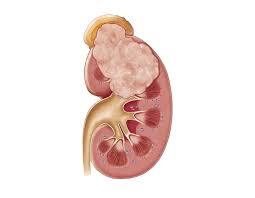
The exact cause of Wilms tumor is not always known. However, researchers believe it may develop due to genetic changes that occur during kidney development before birth.
Some children may have a higher risk if they have certain genetic syndromes or developmental conditions. In rare cases, family history may also play a role. Most cases, however, occur without any known risk factors.
Common Signs and Symptoms
appear as the tumor grows.
Treatment Options
Treatment for Wilms tumor depends on the stage of the disease, the child’s overall health, and
whether one or both kidneys are involved.
Surgery
Surgery is usually performed to remove the tumor or the affected kidney. This is often the first step in treatment.
Chemotherapy
Chemotherapy uses specialized medicines to destroy cancer cells and prevent the tumor from spreading.
Radiation Therapy
In some cases, radiation therapy may be used to target remaining cancer cells after surgery.
Comprehensive Care
Treatment is carefully planned to ensure the best outcome while preserving kidney function and supporting the child’s overall health.
Diagnosis and Evaluation
Diagnosing Wilms tumor involves a detailed medical assessment and specialized imaging tests. These investigations help doctors determine the size, location, and stage of the tumor.
Early diagnosis allows doctors to develop a precise and effective treatment plan.
Recovery and Follow-Up Care
Recovery from Wilms tumor requires ongoing monitoring and supportive care. Follow-up visits help doctors track progress and ensure the child remains healthy after treatment.
Follow-up care may include:
- Monitoring recovery and overall health
- Evaluating treatment response
- Managing potential side effects
- Supporting long-term kidney health
- Regular medical check-ups
Consistent follow-up plays an important role in maintaining long-term wellbeing.
FAQS
What is Wilms tumor?
Wilms tumor is a rare type of kidney cancer that mainly affects young children, usually under the age of five. It develops when kidney cells grow abnormally and form a tumor.
What are the early signs of Wilms tumor?
Common signs include abdominal swelling, a lump in the abdomen, abdominal pain, fever, blood in the urine, and loss of appetite.
What causes Wilms tumor?
The exact cause is not always known. It may occur due to genetic changes during kidney development before birth.
How is Wilms tumor diagnosed?
Doctors diagnose Wilms tumor through physical examinations, imaging tests such as ultrasound or CT scans, and sometimes a biopsy.
Is Wilms tumor treatable?
Yes, Wilms tumor is one of the most treatable childhood cancers when detected early. Treatment often includes surgery, chemotherapy, and sometimes radiation therapy.
Can Wilms tumor affect both kidneys?
In most cases it affects only one kidney, but in rare cases both kidneys may be involved.
What is the survival rate for Wilms tumor?
With early diagnosis and proper treatment, many children with Wilms tumor have a high survival rate and can recover successfully.
Need a Consultation
If you have concerns about symptoms, diagnosis, or treatment options for Wilms tumor, professional medical guidance can help you make informed decisions about care.
Early evaluation and expert advice can make a significant difference in treatment outcomes and recovery.
Abdominal Swelling