
Neuroblastoma
A childhood cancer that develops from immature nerve cells, requiring early diagnosis and specialized treatment for the best possible outcomes.
About Neuroblastoma
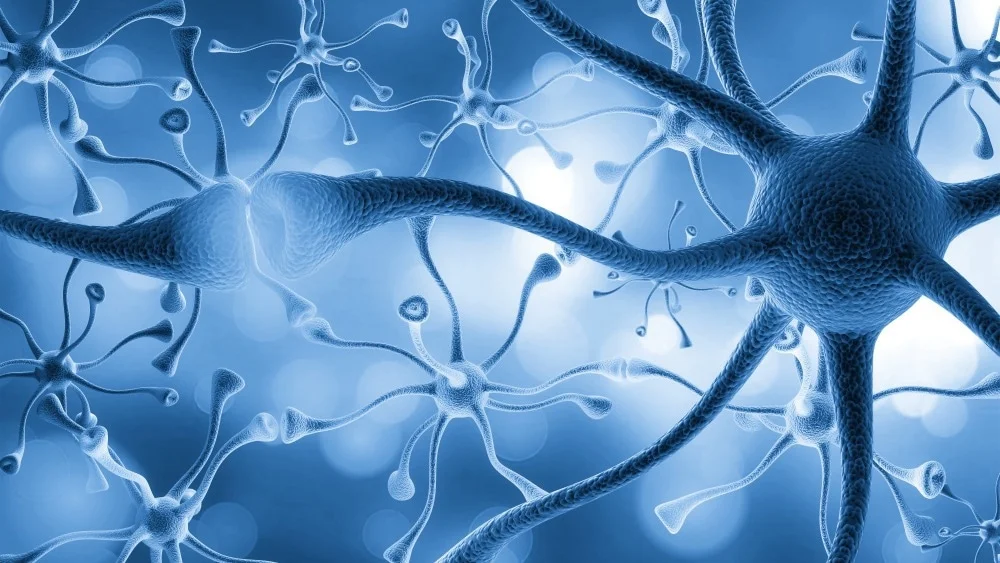
Neuroblastoma is a type of cancer that develops from immature nerve cells called neuroblasts. It most commonly affects infants and young children and usually begins in the adrenal glands located above the kidneys. However, it can also develop in nerve tissues of the abdomen, chest, neck, or spine.
This condition is considered one of the most common solid tumors in early childhood. With early detection and appropriate treatment, many children can achieve positive outcomes and improved long-term health.
Risk Factors

The exact cause of neuroblastoma is not fully understood. It develops when immature nerve cells grow abnormally and form a tumor. In most cases, the condition occurs randomly without a clear reason.
Certain genetic factors may slightly increase the risk, and in rare cases, neuroblastoma can run in families. Most cases, however, occur without any known family history.
Warning Signs
it has spread to other parts of the body.
Treatment Options
Treatment for neuroblastoma depends on the stage of the disease, the child’s age, and the overall health condition.
Surgery
Surgery may be performed to remove the tumor if it is possible and safe.
Chemotherapy
Chemotherapy uses specialized medicines to destroy cancer cells and reduce tumor size.
Radiation Therapy
Radiation therapy may be used in certain cases to target and destroy remaining cancer cells.
Targeted Therapy
Advanced treatment methods may focus on specific cancer cells to improve treatment effectiveness.
Diagnostic Approach
Diagnosing neuroblastoma involves a series of medical evaluations and imaging tests to confirm the presence of a tumor and determine its stage.
These tests help doctors understand the size, location, and spread of the tumor to plan the most effective treatment.
Recovery Care
Recovery after neuroblastoma treatment involves ongoing medical care and monitoring to ensure proper healing and overall wellbeing.
Follow-up care may include:
- Health Monitoring
- Treatment Response
- Side Effect Care
- Growth Monitoring
- Regular Checkups
Continuous follow-up helps detect any recurrence early and supports long-term health.
FAQS
What is neuroblastoma?
Neuroblastoma is a type of cancer that develops from immature nerve cells and mainly affects infants and young children.
Where does neuroblastoma usually develop?
It most commonly begins in the adrenal glands above the kidneys but can also develop in the abdomen, chest, neck, or spine.
What are common symptoms of neuroblastoma?
Symptoms may include abdominal swelling, bone pain, fatigue, fever, weight loss, and unusual lumps in the body.
What causes neuroblastoma?
The exact cause is unknown, but it occurs when immature nerve cells grow uncontrollably and form tumors.
How is neuroblastoma diagnosed?
Diagnosis usually involves imaging tests such as ultrasound, CT scans, MRI, blood and urine tests, and sometimes a biopsy.
What treatments are available for neuroblastoma?
Treatment may include surgery, chemotherapy, radiation therapy, and targeted therapy depending on the stage of the disease.
Can neuroblastoma be cured?
Many children respond well to treatment, especially when the condition is detected early and managed with proper medical care.
Expert Consultation
If you are concerned about symptoms related to neuroblastoma or need guidance regarding diagnosis and treatment, seeking professional medical advice is important.
Early consultation can help ensure timely diagnosis and the most appropriate treatment plan for better outcomes.
Abdominal Swelling